Regions of Kansas
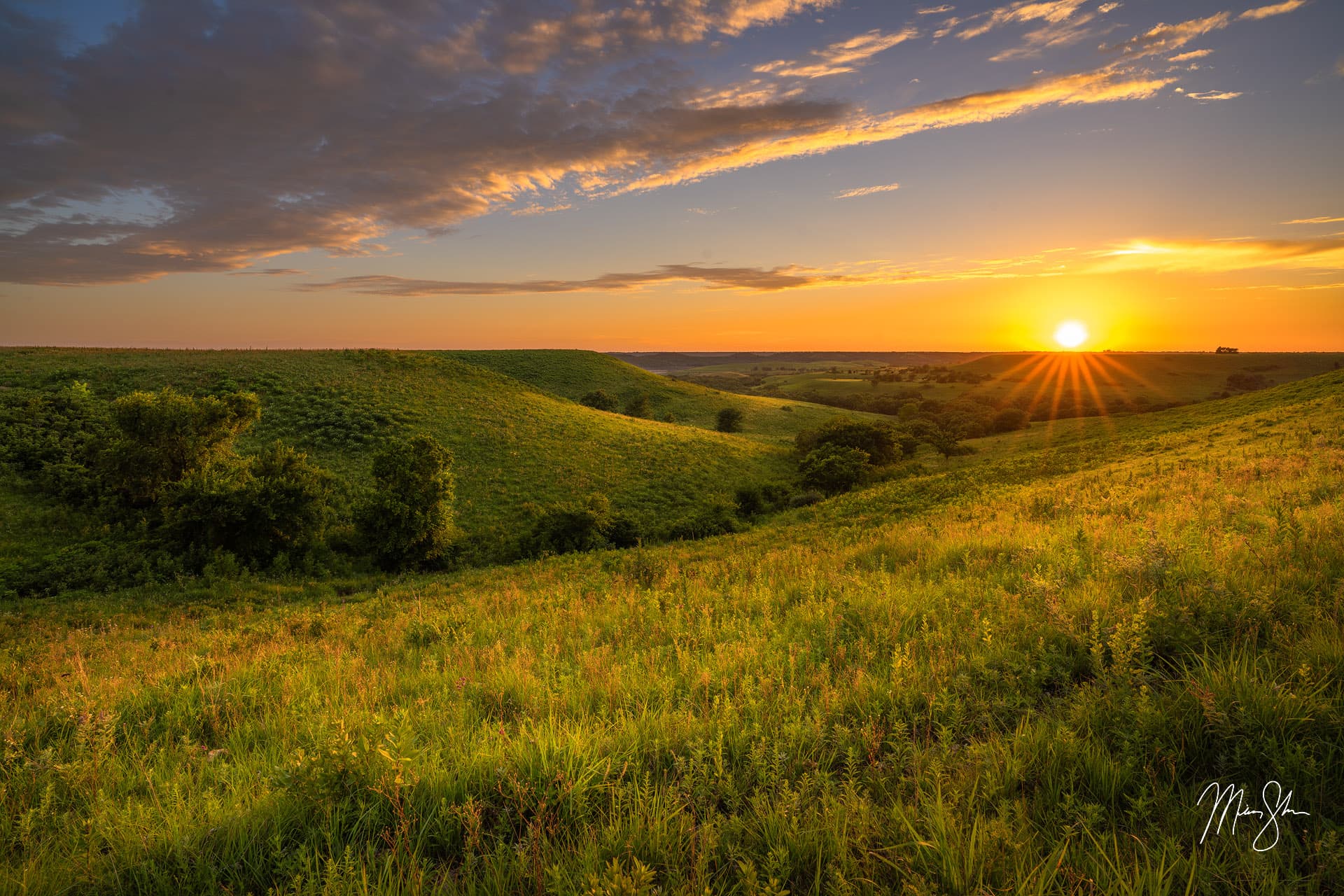
From rolling tallgrass prairie to wide-open high plains, discover the diverse landscapes of KansasKansas Regions & Landscapes
Kansas is often described as flat, but that reputation overlooks the state’s remarkable diversity. In reality, Kansas is divided into eleven distinct geological regions, shaped by ancient seas, glaciers, rivers, and millions of years of erosion.
In the east, wooded hills and river valleys dominate the glaciated terrain of northeast Kansas and the Ozark Plateau in the far southeast. The surrounding Cherokee Lowlands gradually transition west into the gently rolling Flint Hills and Chautauqua Hills, home to one of the largest remaining expanses of native tallgrass prairie in North America.
Moving farther west, the landscape opens into river lowlands, sand dunes, and expansive wetlands, particularly along the Arkansas River corridor. Central Kansas is also home to world-class birding destinations like Cheyenne Bottoms and Quivira National Wildlife Refuge where migration seasons bring extraordinary wildlife activity.
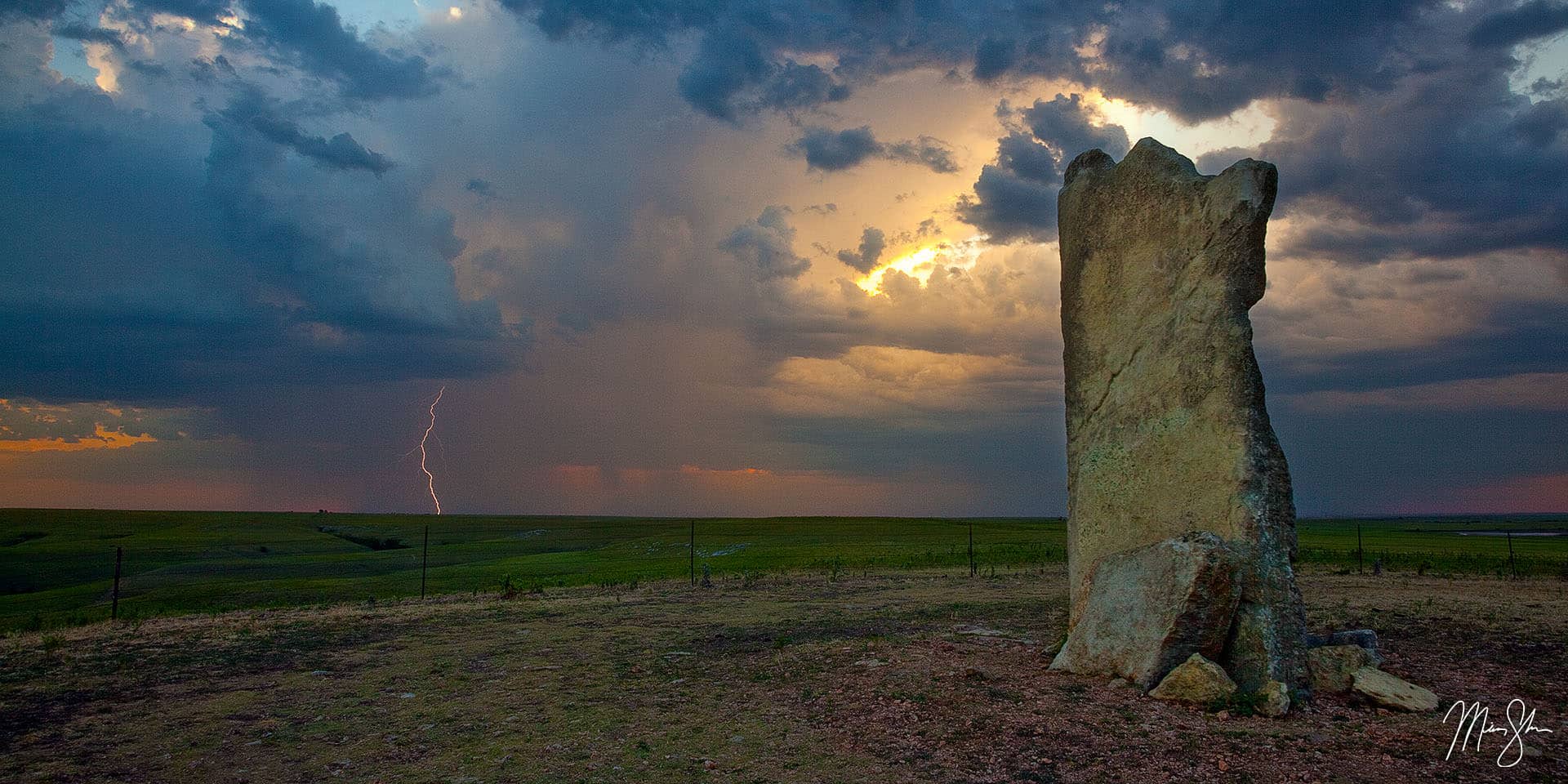
North-central Kansas is dominated by the Smoky Hills and unique places like Mushroom Rock State Park. Beyond that, the High Plains stretch across western Kansas—often subtle at first glance, but punctuated by dramatic chalk formations such as Monument Rocks and Castle Rock, surprising terrain like the rugged Arikaree Breaks and the subtle landscapes of the Cimarron National Grassland.
Kansas is anything but one-dimensional. Explore the regions below to experience the full range of landscapes the state has to offer.
Kansas Regions
Kansas is made up of several distinct regions. Each has its own landscapes, history and beauty. From the tallgrass prairies of the Flint Hills to the rugged terrain and rock formations of western Kansas, explore the regions below to begin your journey. You can also visit the full Kansas regions page to see all in one place.
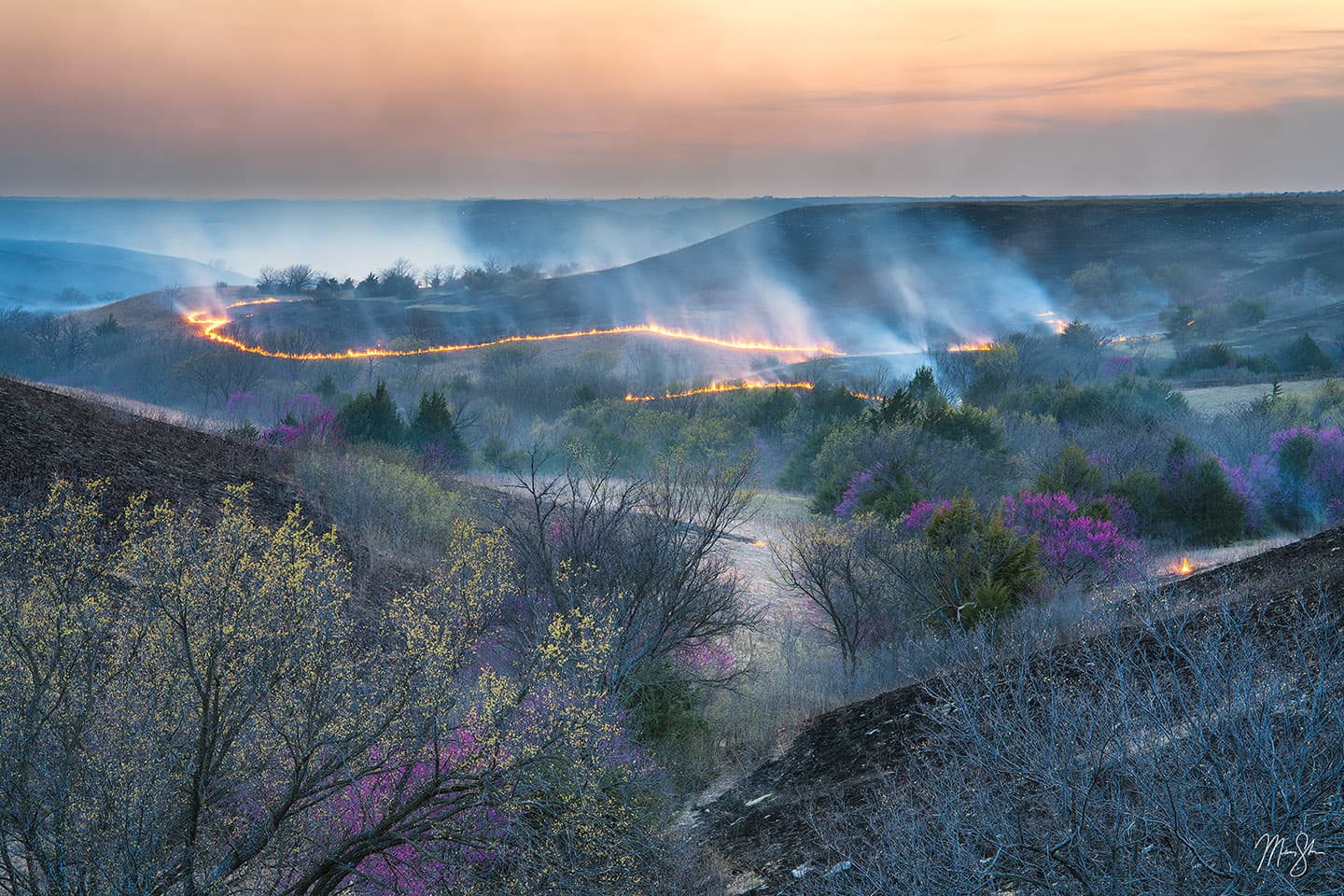
Flint Hills
Rolling tallgrass prairie, seasonal wildflowers, and expansive skies define one of Kansas’s most iconic regions.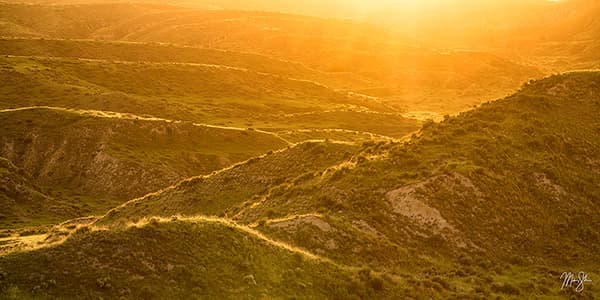
Western Kansas
Often overlooked, western Kansas features dramatic landscapes, open spaces, and fascinating natural history.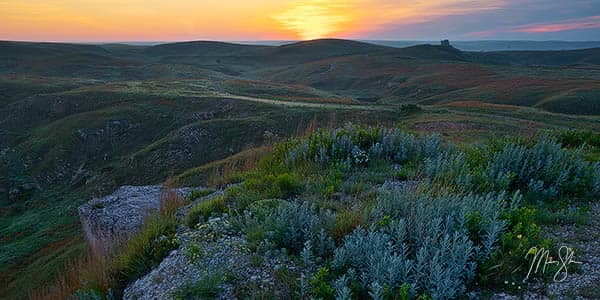
Gypsum Hills
Known for red rock formations and winding roads, the Gypsum Hills are among the most scenic areas in Kansas.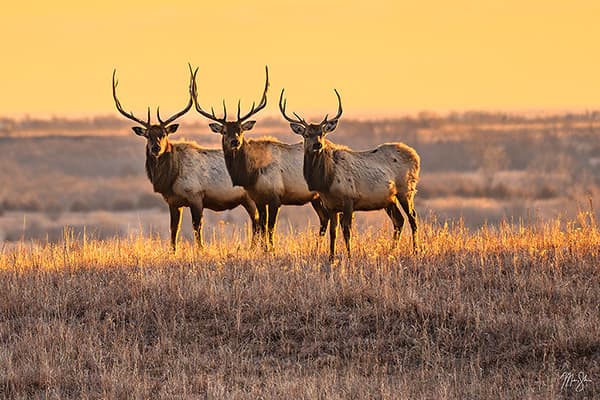
North Central Kansas
This region is home to scenic lakes, historic landmarks, and some of Kansas’s most picturesque byways.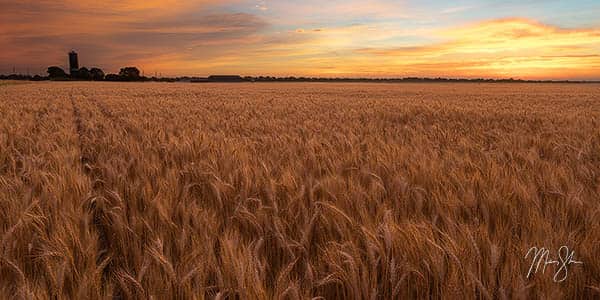
South Central Kansas
From urban landmarks to wildlife refuges and prairie landscapes, this region offers diverse scenery to explore.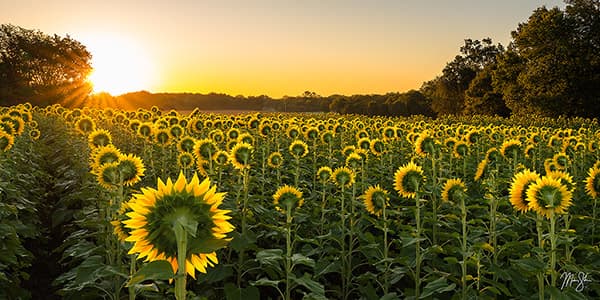
Northeast Kansas
Wooded hills, waterfalls, and rolling landscapes give northeast Kansas a distinctly different feel from the plains.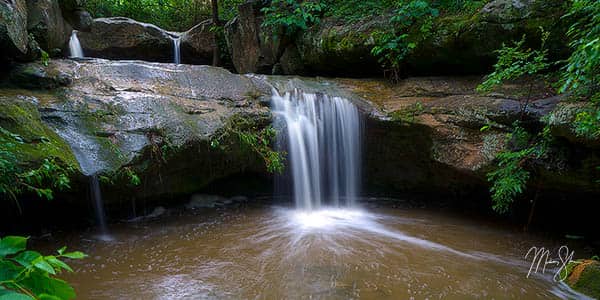
Southeast Kansas
Historic routes, state parks, and abundant waterfalls make southeast Kansas one of the most diverse regions.
Kansas Photography Collection
Experience the diverse landscapes of Kansas through fine art photography. From rolling tallgrass prairie and scenic byways to quiet wetlands and wide-open plains, each image is carefully captured and crafted as a museum-quality print.